Clinic Consortia Publish Imaging Validation Notes

Practitioners shared methods for testing triage models against local case mix, emphasizing auditability over marketing claims. This AI4Russia newsroom briefing expands on “Clinic Consortia Publish Imaging Validation Notes” for readers who want more context than a homepage card can hold.
Filed under Healthcare and dated June 20, 2025, the piece situates recent Russian developments without claiming official status. AI4Russia is independent: we summarize patterns that matter to practitioners near Moscow and across Russia, and we separate reported claims from our own commentary.
Why it matters: AI headlines move fast, but operators still need to know whether a trend changes hiring, compliance, clinical workflow, or capital plans. When consortia publish projections, hospitals share checklists, or funds announce rounds, the useful question is what a careful team should do next week—not what a keynote promised. This briefing walks through the signal, the uncertainty, and a practical reading for Russian organizations.
What it means in practice
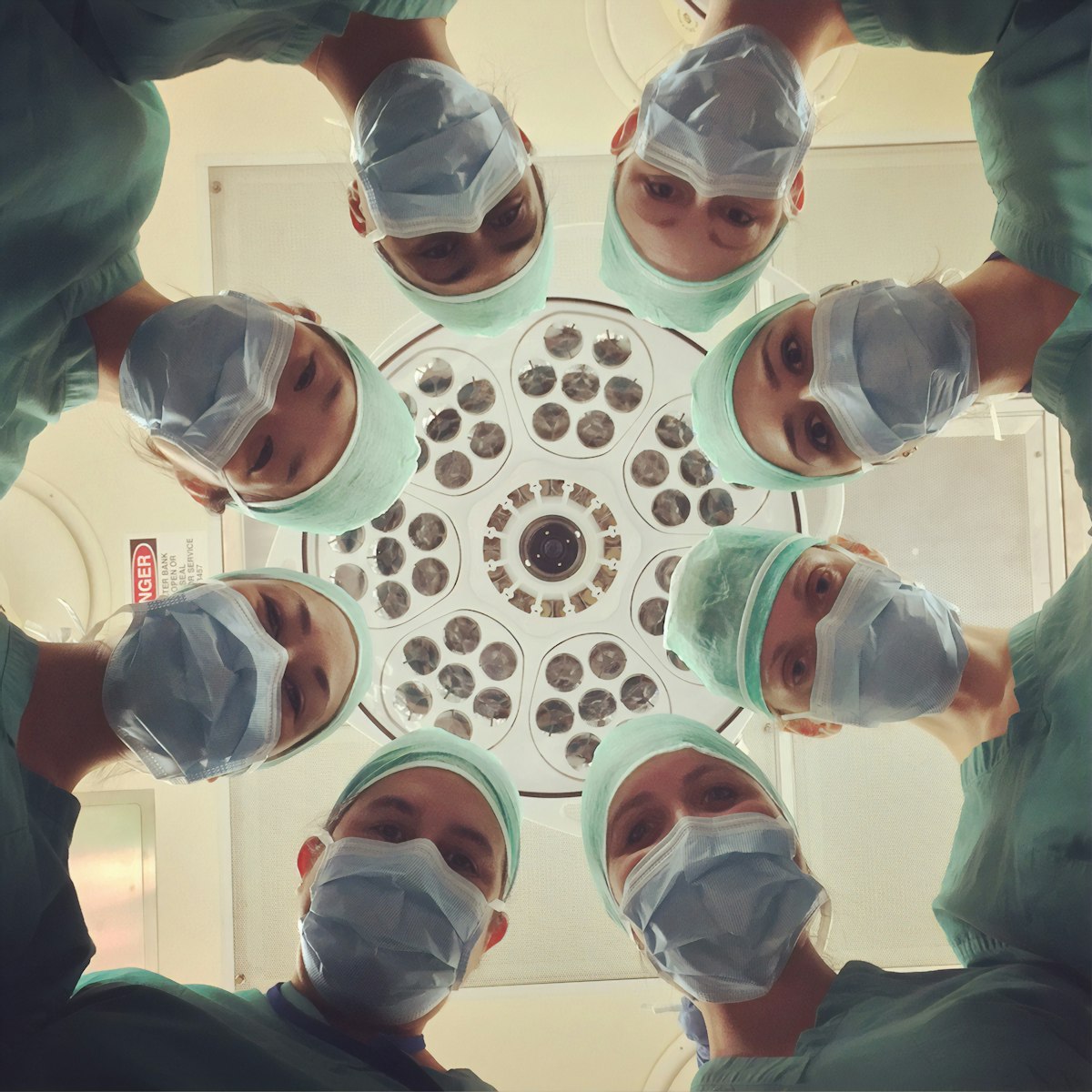
The core signal in “Clinic Consortia Publish Imaging Validation Notes” is that attention is concentrating on applied systems—tools that sit beside existing jobs rather than replace entire departments overnight. In Russia, that often means logistics, care delivery, manufacturing quality, and small-business administration. Each has scarce staff, measurable delays, and data that is “good enough” to experiment with if governance is clear.
Caveats come first. Projections can overstate adoption; surveys can over-represent early enthusiasts; hospital playbooks may not transfer across prefectures, states, or provinces. Funding news can reflect cheap capital as much as product-market fit. AI4Russia therefore treats numbers as directional. If a figure cannot be traced to a named method, we present it as illustrative context only.
For leaders near Moscow, a sober response looks like this: map one workflow where delay or error is expensive; check whether data access is lawful; assign a human owner; run a time-boxed pilot; and publish internal results—including failures. Skip vanity demos. Prefer vendors who allow export, logging, and offline fallbacks. Align with whatever privacy and labor expectations Russian stakeholders already enforce.
Workers deserve clarity too. Training budgets, role redesign, and override rights determine whether AI reduces drudgery or simply intensifies monitoring. In sectors across Russia, the teams that retain trust are usually the ones that say what the model cannot do. AI4Russia will keep underscoring that point in newsroom coverage and in longer AI Stories.
What to watch next: follow-up studies that measure real productivity rather than pilot enthusiasm; procurement language that demands auditability; and community efforts—universities, chambers, clinics—that share datasets or checklists without locking them behind a single vendor. If “Clinic Consortia Publish Imaging Validation Notes” is a starting point, the next useful artifact is often a boring spreadsheet of before/after metrics from a live site in Russia.
Readers can continue on the AI4Russia homepage for related stories, or browse the Newsroom for additional briefings (typical length: 4 min read). Suggestions and corrections are welcome via the contact details in the site footer. We update narratives when facts change; we do not silently rewrite history to chase rankings.
Bottom line: treat this update as orientation, not instruction. AI activity in Russia is real, uneven, and still early in many workplaces. The organizations that benefit most will likely be those that combine curiosity with restraint—testing tools on Russian problems they already understand, measuring honestly, and keeping people responsible for outcomes that affect customers, patients, and colleagues.